Ryles tubes remain a fundamental component of patient care across hospitals, community healthcare settings, and specialist clinics. Despite advances in medical technology and enteral feeding systems, these versatile devices continue to play a critical role in supporting patient nutrition, gastric decompression, medication administration, and clinical management across a wide range of care pathways.
For procurement professionals, head nurses, clinical leads, and healthcare decision-makers, ensuring access to high-quality, reliable Ryles tubes is essential to maintaining safe and effective patient care. At the same time, increasing demands on healthcare services mean organisations are looking more closely at product performance, supplier reliability, and opportunities to improve clinical outcomes through better device design and procurement strategies.
In this article, we explore the evolving role of Ryles tubes in modern healthcare, the challenges associated with their use, best practice considerations, and what healthcare organisations should look for when selecting a supplier.
Before examining current challenges and opportunities, it is useful to answer a common question: what is a Ryles tube?
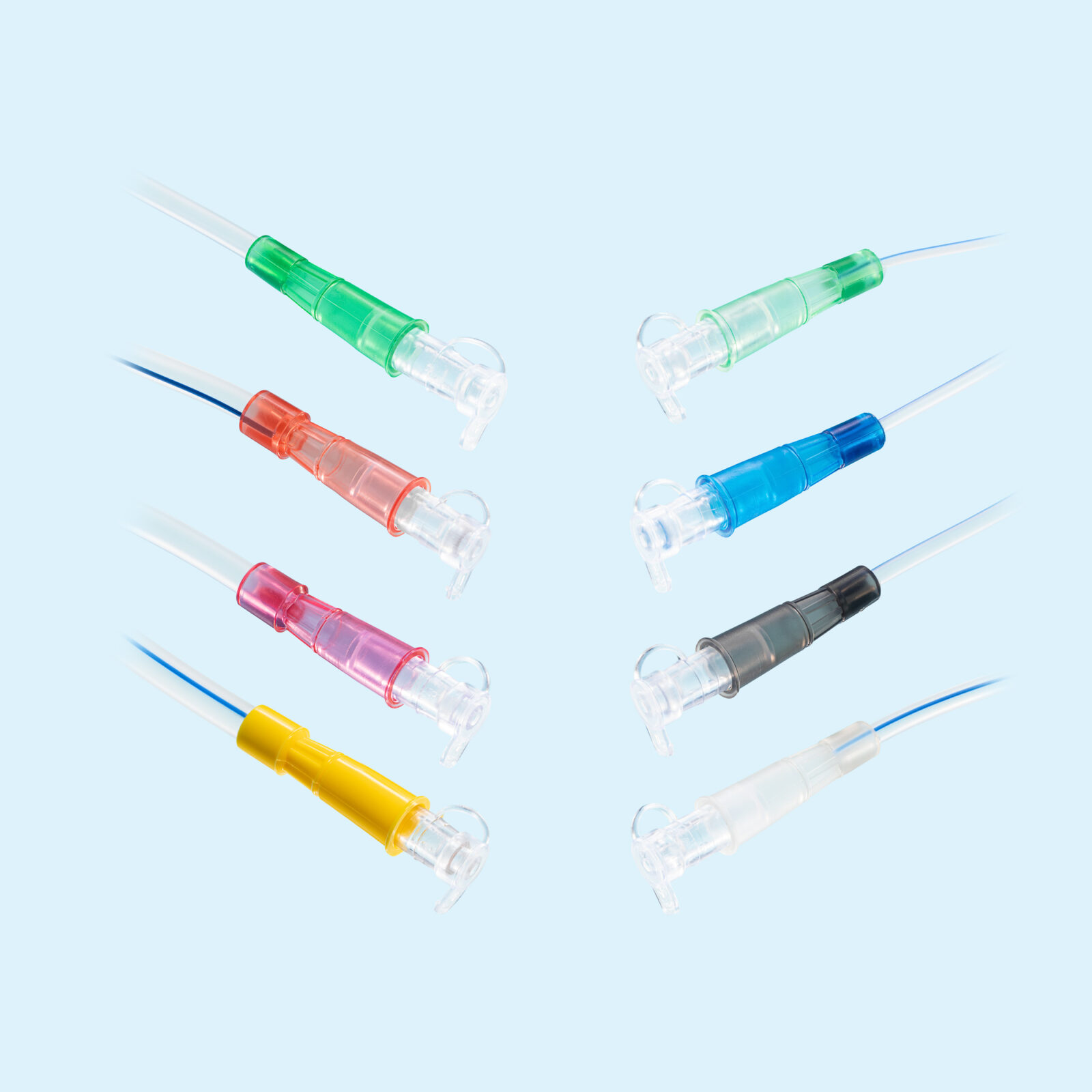
A Ryles tube is a flexible nasogastric tube inserted through the nose and advanced into the stomach. It is widely used across healthcare settings to provide access to the gastrointestinal tract for a variety of clinical purposes.
The purpose of Ryles tube use can include:
Because of their versatility, Ryles tubes are used in emergency departments, intensive care units, surgical wards, medical wards, and long-term care environments.
As healthcare systems continue to care for increasingly complex patient populations, the importance of reliable and effective nasogastric access remains as relevant as ever.
While the fundamental function of the Ryles tube has remained consistent, its role within patient care pathways has evolved significantly.
An ageing population, rising prevalence of chronic illness, and increasing complexity of clinical care have all contributed to greater demand for enteral feeding and gastrointestinal management solutions.
Healthcare providers are under increasing pressure to deliver care efficiently while maintaining high standards of patient safety. This has led to greater focus on product performance, ease of use, and the overall clinical experience associated with Ryles tube management.
Although Ryles tubes are widely used and well-established within clinical practice, several challenges can impact their effectiveness and patient experience.
One of the most frequently discussed considerations is patient comfort. Nasogastric tubes can cause discomfort during insertion and throughout use, particularly when patients require long-term placement.
Product design, material selection, and tube flexibility can all influence patient tolerance and overall experience.
Improper placement can result in serious complications, making accurate placement verification a vital part of clinical practice. Healthcare organisations must ensure that protocols surrounding Ryles tube insertion and position confirmation are consistently followed.
Clinicians rely on tubes that perform consistently throughout their intended use. Issues such as blockage, kinking, disconnection, or material degradation can affect treatment delivery and increase the need for replacement procedures.
Ease of insertion and handling can have a significant impact on workflow efficiency and staff confidence. Products that are difficult to manage may increase procedure time and contribute to unnecessary clinical challenges.
For procurement teams and clinical leaders, selecting products that address these challenges can contribute to improved patient care and more efficient clinical workflows.
While product quality is important, achieving optimal outcomes also depends on adherence to best practice throughout the patient journey.
Selecting the correct tube for the intended clinical application is essential. Factors such as patient condition, anticipated duration of use, feeding requirements, and clinical environment should all be considered.
Effective Ryles tube insertion begins with proper staff training and adherence to established clinical guidelines.
Healthcare providers should ensure clinicians are competent in insertion techniques and understand the relevant safety procedures associated with tube placement.
Appropriate confirmation methods should be used in accordance with local policies and national guidance to ensure safe placement before feeding, medication administration, or gastric decompression is undertaken.
Patient needs may change over time, making regular assessment essential. Healthcare teams should monitor tube position, function, patient comfort, and any signs of complications. Prompt intervention can help minimise risks and support positive patient outcomes.
Many healthcare organisations are also exploring opportunities to standardise consumables where appropriate. Standardisation can help reduce variation, simplify procurement processes, support staff familiarity, and improve stock management across clinical departments.
For procurement professionals and healthcare leaders, selecting the right supplier involves much more than comparing product prices.
Several factors should be carefully evaluated when reviewing potential Ryles tube suppliers.
Consistent product quality is fundamental. Healthcare providers need confidence that devices will perform reliably and meet clinical requirements throughout their intended use.
Products should comply with all relevant regulatory standards and quality requirements. Suppliers should be able to demonstrate robust quality management processes and full product traceability.
Disruptions can create significant operational challenges, making supplier resilience and inventory management capabilities important considerations during procurement evaluations.
The most effective supplier relationships often extend beyond product provision. Healthcare providers increasingly value suppliers that understand clinical challenges and can offer expertise, guidance, and responsive customer support.
Decision-makers should also consider whether a supplier can support future organisational needs as clinical requirements evolve over time.
As healthcare demands continue to evolve, manufacturers are investing in product development to improve both clinical performance and patient experience.
Innovation is also extending beyond the product itself to encompass supply chain reliability, quality assurance processes, and enhanced support services that help healthcare providers meet increasingly complex clinical demands.
Ryles tubes remain an essential component of modern healthcare, supporting enteral feeding, gastric decompression, medication delivery, and patient care across a wide range of clinical settings.
While the fundamental purpose of Ryles tube use remains unchanged, evolving healthcare demands mean providers are placing greater emphasis on product quality, ease of use, reliability, and supplier performance.
For procurement teams, head nurses, and healthcare decision-makers, selecting the right partner can play an important role in supporting patient outcomes, clinical efficiency, and long-term service delivery.
At Pennine Healthcare, we understand the challenges healthcare organisations face when sourcing critical clinical consumables. Our commitment to quality, compliance, innovation, and dependable supply helps healthcare providers access the products they need to deliver safe, effective patient care with confidence.
As healthcare continues to evolve, choosing reliable, clinically focused solutions will remain essential to meeting the needs of both patients and healthcare professionals.