For healthcare organisations, medical consumables can be easy to overlook when considering opportunities to improve efficiency. Yet products that are used repeatedly across clinical environments can have a significant impact on day-to-day workflows, patient care and procurement.
Suction catheters are a good example. For procurement teams, the challenge is not simply finding a product at a competitive price. The right selection needs to balance clinical requirements with usability, availability, stock management and overall value.
So, what should healthcare organisations consider when reviewing their approach to suction catheters?
Clinical teams work in environments where time, consistency and availability matter. When a product is used regularly, even small practical considerations can influence how efficiently a procedure is carried out.
Choosing suction catheters that are appropriate for the intended application can help create a more consistent workflow. Factors such as catheter length, diameter, connector design and ease of identification can all be relevant when determining whether a product is suitable for a particular clinical requirement.
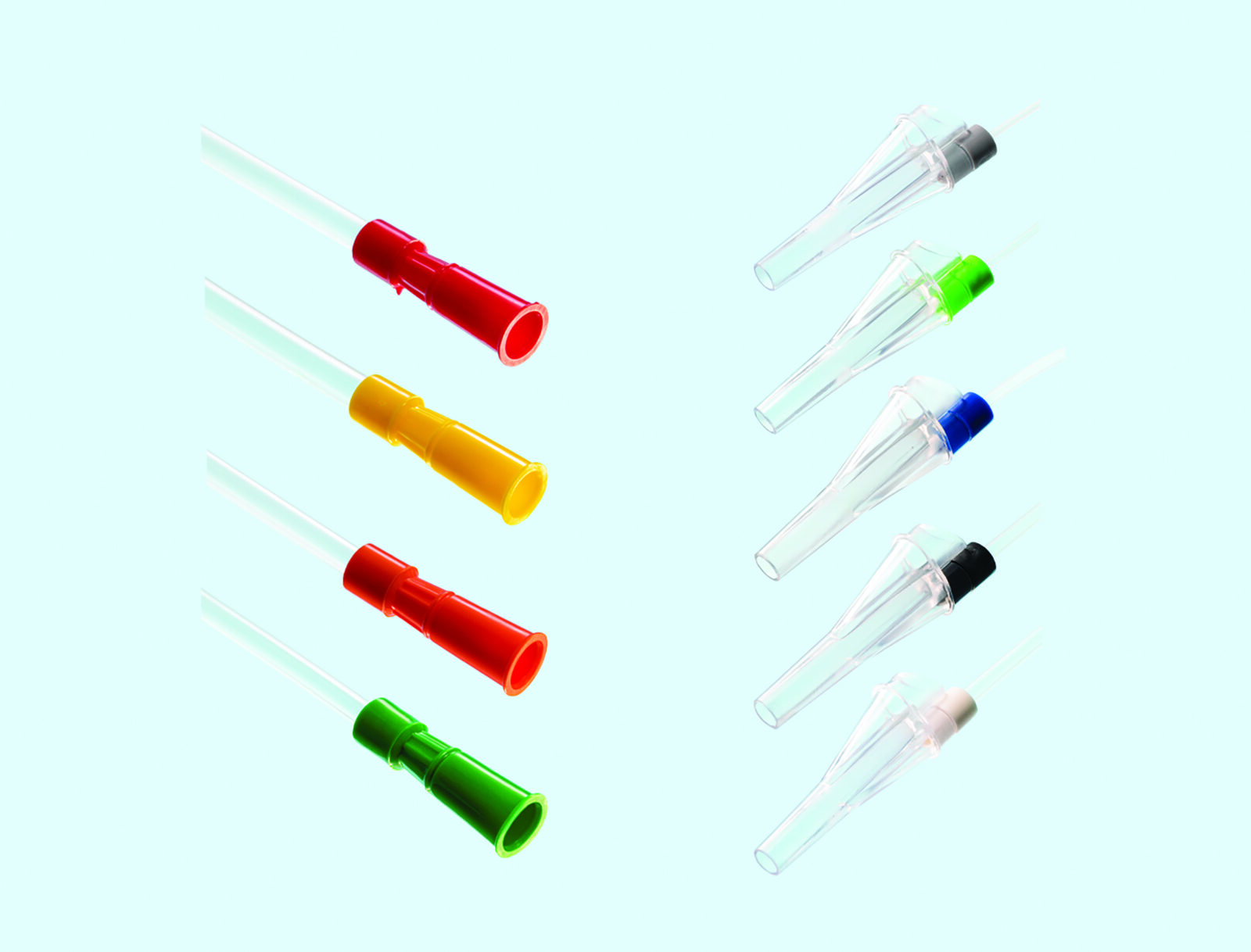
For example, colour coding can help staff identify catheter sizes more easily. This is particularly relevant in busy clinical environments, where staff may need to identify the appropriate product quickly.
Efficiency, however, should not simply mean completing a procedure faster. It is about creating a process that is consistent, straightforward and appropriate to the clinical situation.
For procurement and nursing decision-makers, reviewing the practical usability of a suction catheter alongside its specification can therefore provide a more complete picture of its value.
Clinical efficiency should always be considered alongside patient care.
Suctioning can be an important part of maintaining an airway, particularly for critically ill or injured patients who require breathing support. Product selection therefore needs to reflect the requirements of the patient and the procedure. Size, length, catheter design and tip configuration are all considerations that clinical teams may take into account when selecting a product.
The important consideration is not simply having a large choice of products. It is having an appropriate choice that allows clinical teams to select the product that best matches the intended application.
For healthcare organisations, this highlights why procurement decisions shouldn’t be made in isolation from clinical teams. Nurses and other healthcare professionals using the products every day can provide valuable insight into usability, product selection and the practical demands of airway management.
Ultimately, the right procurement strategy should support clinicians in delivering effective care while recognising the needs of individual patients.
Healthcare organisations can manage thousands of medical consumables, making stock control and procurement increasingly complex. Suction catheters are available in different sizes, lengths and configurations. Maintaining a wide range can provide flexibility, but unnecessary variation can also make procurement and inventory management more complicated.
This is where appropriate standardisation can help.
Rather than automatically reducing the number of products available, organisations can review which specifications are genuinely required and identify where unnecessary duplication exists.
A clinically appropriate range can potentially support:
For procurement teams, understanding actual usage can help determine which options are essential and where standardisation may be appropriate. This can also create an opportunity for procurement and clinical teams to work together. Combining purchasing data with clinical feedback can provide a more informed basis for decisions than either perspective alone.
When managing budgets, unit price is naturally an important consideration. However, focusing solely on the purchase price can overlook other costs associated with managing and using a medical consumable.
A more useful approach is to consider the total cost of ownership. For suction catheters, this could include:
Purchase price + stockholding + wastage + ordering + storage + staff time + product availability
For example, a product may have a low purchase price, but if it contributes to excessive stockholding, unnecessary variation or unused inventory, the wider cost may be higher than expected.
Conversely, a well-planned product range can potentially simplify stock management and reduce unnecessary complexity.
This doesn’t mean that a more expensive product will automatically deliver better value. Rather, procurement decisions should consider the relationship between cost, clinical suitability and operational efficiency.
This broader approach can help purchasing teams identify genuine opportunities for cost control while ensuring that financial considerations don’t become disconnected from patient care.
For NHS organisations and medical device distributors, this is particularly important when evaluating products that are purchased and used at scale. Small differences in stock management or workflow can become significant when multiplied across departments and over time.
Ultimately, there is no single factor that determines whether a suction catheter is the right choice.
A product needs to meet the requirements of the intended clinical application while also fitting into the wider operational and procurement environment.
The most effective approach brings together three perspectives:
Clinical need: Is the product appropriate for the intended procedure and patient requirements?
Operational efficiency: Is it practical for clinical teams to identify, prepare and use?
Commercial value: Can it be procured and managed efficiently without unnecessary complexity?
This balance is important because a decision based entirely on one factor can create challenges elsewhere.
For example, reducing the product range too aggressively could limit clinical choice, while maintaining too many variations could create unnecessary stock complexity. Similarly, focusing exclusively on unit price may overlook the wider operational costs associated with a product.
Ultimately, effective procurement isn’t about choosing between patient care, clinical efficiency and cost control. With the right approach to product selection, these priorities can work together—helping organisations make informed decisions that support both the people using the products and the patients receiving care.
At Pennine Healthcare, we recognise that suction catheters are part of a wider airway management process. That’s why our range provides different catheter configurations, sizes and lengths to support a variety of clinical requirements.
Our range includes Funnel, Oppo-Cath, Prestrol and Angled Tip suction catheters, with features including colour-coded size identification and sterile individual packaging across relevant product lines.
For procurement teams, having access to a considered range can make it easier to review current requirements and assess where standardisation may be appropriate. For clinical teams, having clearly identified options can support product selection according to the needs of the procedure.