In today’s fast-evolving surgical landscape, precision, consistency, and safety are more than clinical priorities, they are fundamental expectations for hospitals and clinics aiming to deliver optimal patient outcomes. For minimally invasive procedures, the often-overlooked hero of surgical access is the veress needle. Selecting the right device can significantly influence procedural success, patient safety, and operational efficiency.
This article explores why the design and quality of disposable veress needles matter, and why procurement teams, purchasing managers, and clinical decision-makers should consider the impact of their choices on surgical outcomes.
Laparoscopic and minimally invasive procedures rely on safe and precise abdominal entry. The initial puncture, typically facilitated by a veress needle, establishes the pneumoperitoneum, a critical step that sets the stage for the entire operation. A needle that fails to provide consistent access can increase the risk of complications, including organ or vascular injury, longer procedure times, and even conversion to open surgery.
For hospital administrators and procurement specialists, understanding the clinical importance of this first step is essential. Choosing a high-quality veress needle isn’t just a matter of supplier preference it directly impacts surgical efficiency, patient safety, and the reputation of your institution.
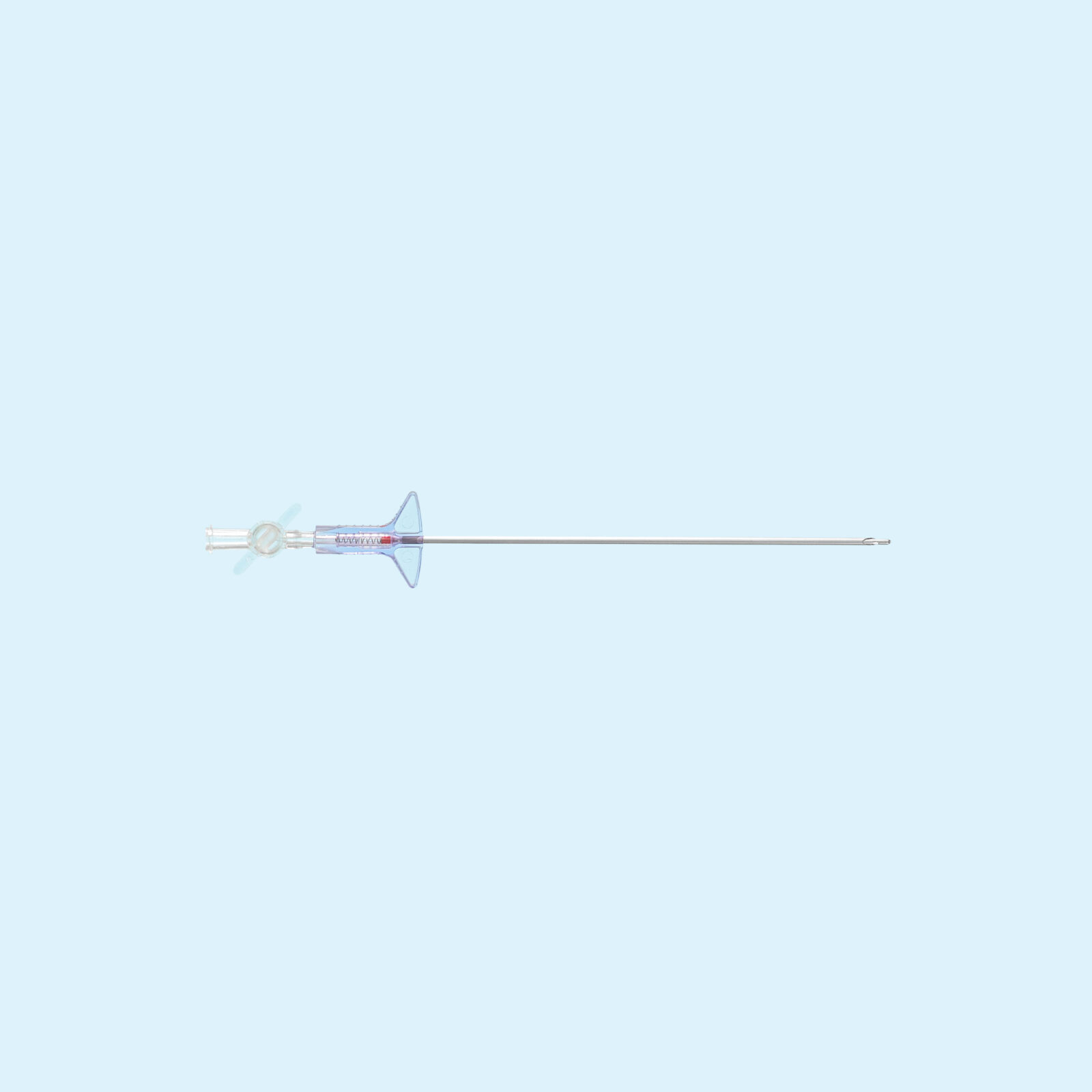
Not all veress needles are created equal. Advanced design features, such as sharp tips, spring-loaded mechanisms, and ergonomic handling, enable surgeons to better identify tissue layers. This tactile feedback is crucial for controlled, confident insertion, particularly in patients with complex anatomies, or prior abdominal surgeries.
For example, the ergonomics of a needle can reduce hand fatigue during repeated procedures, while a reliably sharp tip minimises tissue resistance. From a procurement perspective, understanding these nuances helps ensure that clinicians receive devices that support performance and reduce procedural variability.
When evaluating veress needle uses, decision-makers should consider how design influences safety and first-attempt success rates. A needle that consistently delivers precise entry contributes to smoother operations and better patient outcomes.
Uniformity in performance is a cornerstone of high-quality surgical practice. Variability between operators or procedures can lead to unpredictable results, impacting both patient outcomes and operational efficiency.
A premium disposable veress needle provides consistent performance across multiple procedures, offering clinicians confidence that the device will behave predictably every time. For hospital procurement teams, this reliability translates to fewer complications, reduced procedure times, and lower overall costs associated with adverse events.
Standardisation also supports training and onboarding for new surgeons. When devices perform consistently, teams can focus on technique and clinical decision-making, rather than adapting to unpredictable instrument behaviour.
Minimally invasive surgery continues to grow as a preferred approach for a wide range of procedures. Patients benefit from smaller incisions, reduced tissue trauma, faster recovery times, and lower postoperative pain. However, achieving these benefits requires precise surgical tools, particularly for the creation of pneumoperitoneum.
The right veress needle plays a pivotal role in this process. By enabling controlled abdominal access, the device reduces unnecessary tissue stress and supports a safer, more efficient entry. For procurement professionals, understanding how the needle contributes to minimally invasive outcomes provides a clear link between purchasing decisions and patient-centric care.
Hospitals investing in tools that facilitate minimally invasive surgery not only improve clinical results but also enhance their reputation as centres of innovation and quality care. In this context, selecting a disposable veress needle that offers precision and reliability is a strategic choice.
For those involved in purchasing or procurement, the decision to invest in high-quality surgical devices should extend beyond price. Material quality, manufacturing precision, and batch-to-batch consistency are critical factors that directly affect clinical performance.
High-grade materials ensure that needles remain sharp, durable, and safe during use, while precise manufacturing reduces the risk of defects or variability. Batch consistency is especially important for hospitals that perform high volumes of laparoscopic procedures, as it guarantees that every device meets the same stringent standards.
Partnering with a supplier like Pennine Healthcare provides access to veress needles designed with both clinical excellence and operational reliability in mind. Our disposable veress needles are manufactured high standards, ensuring consistent tactile feedback, predictable insertion, and safe abdominal access across all procedures.
For procurement managers, these considerations translate into tangible benefits:
Precision in surgery begins with the first incision, and the humble veress needle is at the heart of that process. From accurate initial access to supporting minimally invasive techniques, the right device enables surgeons to perform with confidence and consistency.
For decision-makers in hospitals and clinics, understanding the impact of needle design, tactile feedback, and manufacturing quality is crucial. By prioritising high-quality disposable veress needles, procurement teams can directly influence patient safety, procedural efficiency, and institutional reputation.
At Pennine Healthcare, we are committed to providing medical devices that empower clinicians and support optimal outcomes. Our veress needles combine thoughtful design, superior materials, and consistent performance to help hospitals and clinics deliver the highest standard of care.
Choosing the right needle is more than a purchase it’s an investment in surgical precision, patient safety, and long-term operational excellence.