In healthcare environments, surgical gowns are more than just protective clothing, they are a critical line of defence for both patients and medical staff. Selecting the right surgical gown requires careful consideration, particularly for decision-makers involved in procurement, purchasing, and clinical leadership. From head nurses to hospital buyers, making informed choices ensures safety, efficiency, and long-term value.
At Pennine Healthcare, we understand that sourcing high-quality surgical gowns is a strategic priority. With numerous options on the market, including disposable surgical gowns, evaluating key factors can help hospitals and clinics make the best decisions for clinical safety and operational effectiveness.
Here are the essential considerations when selecting surgical gowns.
Not all surgical gowns provide the same level of protection. When choosing a gown, it is vital to ensure it meets recognised standards for barrier performance and protection appropriate for the procedure type and potential exposure to fluids.
Healthcare facilities often encounter a range of scenarios, from minor procedures with low fluid risk to complex surgeries with high exposure. Surgical gowns should be rated according to standards such as AAMI PB70 or equivalent guidelines. This helps ensure the gown offers adequate fluid resistance, reducing the risk of contamination and infection.
Partnering with reputable surgical gowns suppliers, who provide transparent data on barrier performance ensures that clinical teams can rely on consistent protection. Additionally, documentation of standards compliance supports risk management and regulatory audits, giving procurement and clinical staff confidence in their gown selections.
Protection is crucial, but comfort should not be overlooked. Healthcare professionals often wear gowns for extended periods, and gowns that are heavy or poorly ventilated can contribute to heat stress, fatigue, and discomfort potentially impacting performance during surgery.
Lightweight, breathable fabrics help maintain comfort without compromising protection. Advanced materials used in modern disposable surgical gowns allow air circulation while preventing fluid penetration. For hospitals and clinics, this means staff can focus on patient care with less distraction from physical discomfort.
When assessing options, consider how material selection affects both comfort and clinical performance. A gown that balances protection and breathability can improve staff satisfaction, reduce fatigue, and support safer outcomes for patients.
Even the highest-quality material is less effective if the gown does not fit properly or allow freedom of movement. Proper fit, secure fastening systems, and full coverage are essential for supporting safe and efficient clinical performance.
Gowns should allow unrestricted movement of the arms and torso, accommodate a variety of body shapes, and ensure full coverage of the front, back, and sleeves. Features such as reinforced cuffs, adjustable ties, and ergonomic cuts reduce the risk of accidental exposure during procedures.
By prioritising design and fit, hospitals and clinics can enhance both safety and workflow efficiency. Collaborating with trusted surgical gowns suppliers ensures that gowns are not only protective but also practical for day-to-day clinical operations.
Consistent quality is non-negotiable when it comes to surgical gowns. Hospitals and clinics should partner with suppliers who adhere to strict manufacturing standards and implement robust quality assurance processes.
Certified production lines, reliable batch consistency, and traceable supply chains reduce clinical risk and ensure that each gown performs as expected. Additionally, suppliers who provide transparency in testing and quality documentation enable procurement teams to make confident, informed purchasing decisions.
Choosing gowns from a reputable provider like Pennine Healthcare means access to products manufactured under rigorous standards, minimising variability and supporting safer surgical environments.
While unit price is a factor, savvy buyers understand that cost-effectiveness extends beyond the initial purchase. Hospitals and clinics should evaluate supply reliability, product durability, and storage efficiency to determine the true cost-in-use.
Reliable supply continuity ensures that clinical teams are never without essential protection, avoiding operational disruptions. Similarly, durable disposable surgical gowns can reduce waste and optimise storage requirements. A holistic approach to cost considering longevity, usability, and procurement reliability delivers greater long-term value.
By factoring in these considerations, procurement professionals can balance cost, protection, and operational efficiency when selecting surgical gowns.
Selecting the right surgical gown is a strategic decision that impacts staff safety, patient outcomes, and overall operational efficiency. From verifying protection levels and assessing material comfort, to evaluating fit, quality, and supply reliability, each factor plays a crucial role.
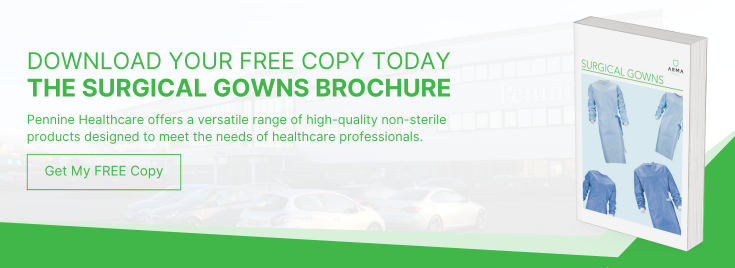
At Pennine Healthcare, we are committed to providing high-quality surgical gowns that meet the needs of modern healthcare environments. Our range of disposable surgical gowns offers reliable barrier protection, comfort, and design excellence, helping hospitals and clinics make choices that safeguard both staff and patients.
By partnering with experienced surgical gowns suppliers, healthcare decision-makers can feel confident in selecting products that combine safety, practicality, and value. Investing in quality surgical gowns is an investment in the safety and well-being of everyone in the operating theatre.
When it comes to surgical gowns, careful evaluation is key. Decision-makers in hospitals and clinics should consider protection standards, comfort, fit, manufacturing quality, and supply reliability to make informed purchasing decisions. High-quality gowns protect staff and patients, support clinical performance, and provide long-term operational benefits.
Pennine Healthcare is here to guide procurement and clinical teams through this important process, offering trusted products and insights to help healthcare providers make confident, effective choices for surgical protection.