Healthcare providers today face increasing pressure to deliver high-quality patient care while managing growing operational demands. Staffing challenges, rising patient volumes, budget constraints, and evolving regulatory requirements mean hospitals are continually looking for opportunities to improve efficiency without compromising standards of care.
When discussing clinical efficiency, conversations often focus on staffing levels, digital transformation, or theatre utilisation. However, one area that can have a significant yet often overlooked impact on day-to-day operations is medical consumable preparation.
From wards and outpatient departments to operating theatres and treatment rooms, clinical teams rely on having the right medical consumables available, organised, and ready for use. The process of gathering, checking, and preparing these items can influence workflow efficiency, staff workload, and ultimately the patient experience.
As healthcare organisations look for practical ways to streamline operations, many are asking an important question: could smarter medical consumable preparation improve clinical efficiency?
Medical consumables are essential to virtually every patient interaction and clinical procedure. Yet the process of preparing these items often happens behind the scenes, making it easy to underestimate its operational impact.
Before a procedure can begin, staff may need to source products from multiple storage locations, verify stock availability, check expiry dates, and ensure all required components are present. While each individual task may only take a few minutes, these activities are repeated countless times across wards and theatres every day.
For busy clinical teams, this preparation burden can create several challenges:
In environments where every minute matters, even small inefficiencies can accumulate and impact productivity across an entire department.
The challenge becomes particularly significant in operating theatres, where preparation delays can affect procedure schedules, theatre utilisation, and patient flow throughout the day.
Clinical efficiency is often measured by what happens during a procedure, but the reality is that efficiency starts long before a patient enters a treatment room or operating theatre. Successful procedures depend on preparation. When all required consumables are readily available and organised, clinical teams can focus on delivering care rather than managing logistics. Conversely, when preparation processes are inconsistent or overly complex, the effects can ripple throughout the clinical pathway.
For example, theatre staff who spend additional time locating missing consumables may face delays in room turnover. Nurses who need to repeatedly check stock levels may have less time available for patient support. Procurement teams managing large numbers of individual consumables may encounter increased administrative complexity and stock management challenges.
By improving consumable readiness, healthcare providers can create a more efficient environment that supports both staff and patients. This is why many organisations are increasingly reviewing not only the products they purchase, but also how those products are supplied, organised, and prepared for use.
Hospitals and healthcare providers typically manage thousands of medical consumable products across multiple departments. Each procedure may require a unique combination of items, ranging from gloves, drapes, syringes, and dressings to specialised instruments and sterile components. Coordinating these requirements presents several challenges.
Maintaining sufficient stock levels across multiple departments requires careful planning. Too little stock can result in delays, while excessive stock increases storage requirements and waste risk.
Many procedures rely on consumables sourced from numerous product categories. Managing a large number of stock keeping units (SKUs) can increase procurement complexity and administrative workload.
When consumables are assembled manually, there is potential for variation between staff members, departments, or clinical sites. This can make standardisation more difficult to achieve.
Consumables stored across multiple locations can increase the time required for preparation and create inefficiencies in day-to-day operations.
Healthcare providers must also consider supplier reliability and supply continuity. Disruptions can have a direct impact on procedure readiness and service delivery.
As a result, hospitals are increasingly seeking ways to simplify consumable management while supporting clinical consistency and operational efficiency.
Across the healthcare sector, organisations are adopting various strategies to reduce complexity and support clinical teams.
One common approach is the standardisation of consumables for specific procedures. By creating greater consistency in product selection and preparation processes, healthcare providers can reduce variation and improve workflow efficiency.
Another growing trend is the use of procedure-specific solutions that consolidate required consumables into a single package. Rather than sourcing and assembling multiple individual items before every procedure, clinical teams can access pre-configured solutions designed around their specific requirements.
This approach can offer several operational benefits:
Importantly, these strategies are not solely about reducing costs. They are about creating systems that help clinical staff spend less time managing consumables and more time focusing on patient care.
One of the most effective ways healthcare providers are streamlining consumable preparation is through the use of procedure packs.
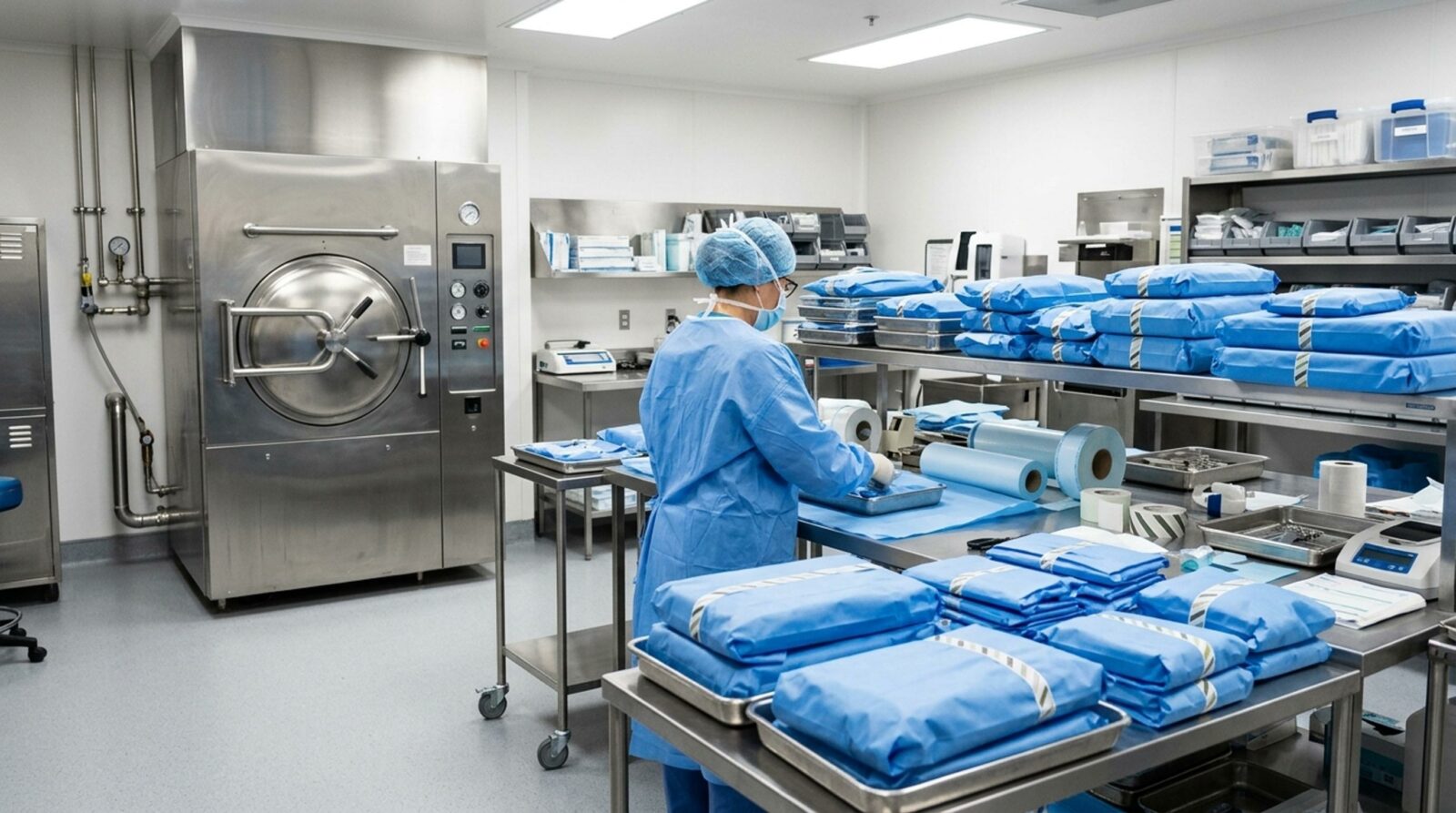
Procedure packs are designed to bring together the consumables required for a specific clinical procedure into a single, ready-to-use solution. Instead of gathering individual products from multiple storage locations, staff can access a complete pack containing the required items. This can significantly simplify preparation processes across wards, treatment rooms, and operating theatres.
For procurement teams, procedure packs can help reduce the number of individual consumable lines that need to be managed. For clinical teams, they can help improve consistency and reduce preparation time.
In addition, surgical procedure packs can support standardised clinical pathways by ensuring the same consumables are available for every procedure. As hospitals continue to focus on operational efficiency, the value of these solutions is becoming increasingly apparent.
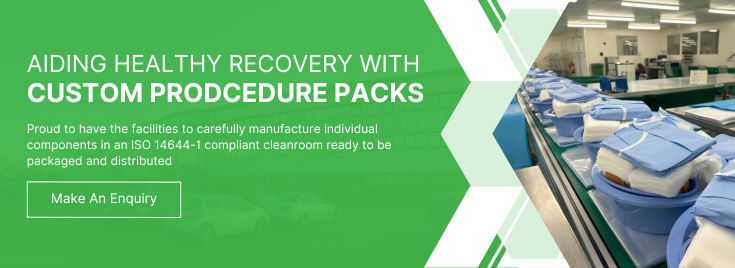
Every healthcare organisation has unique clinical requirements, workflows, and preferences. This is why many providers are moving beyond standardised off-the-shelf solutions and exploring the benefits of custom procedure packs. A custom procedure pack can be tailored to include the exact consumables required for a specific procedure, department, or clinical protocol. This tailored approach allows healthcare providers to align consumable preparation with their operational needs while maintaining consistency and efficiency.
For procurement professionals, a custom pack medical solution can help simplify purchasing and stock management by consolidating multiple consumables into a single product reference. For clinical teams, it can support smoother workflows by ensuring required components are available in a convenient and ready-to-use format. The result is a solution that supports both operational and clinical objectives.
Improving clinical efficiency is rarely about a single change. Instead, it often comes from identifying opportunities to streamline everyday processes that collectively influence performance.
Consumable preparation is one such opportunity. By reducing the time and complexity associated with gathering, organising, and managing procedure consumables, healthcare providers can create more efficient workflows and better support frontline teams.
At Pennine Healthcare, we understand the critical role that consumables play in supporting safe, effective patient care. Our range of custom procedure packs and surgical procedure packs is designed to help healthcare organisations simplify preparation, standardise processes, and improve operational efficiency.
Whether supporting wards, treatment areas, or operating theatres, our tailored custom pack medical solutions help ensure clinical teams have the consumables they need, when they need them, allowing them to focus on what matters most: delivering exceptional patient care. As hospitals continue to seek new ways to improve efficiency, smarter consumable preparation may prove to be one of the most practical and impactful opportunities available.