Central venous access devices are foundational to modern acute and long-term patient care. For procurement leaders, clinical directors, head nurses, and purchasing professionals in hospitals and clinics, understanding what a central venous catheter is, when it’s used, and the key types of central venous catheter available is essential for informed decision-making and effective supply chain strategy.
In this guide, we’ll demystify central venous catheters, explore how they’re inserted, and break down the major catheter types so you can align clinical needs with procurement choices.
A central venous catheter (CVC) also commonly called a central line is a thin, flexible tube that is inserted into a large vein and threaded until the tip rests near the heart, typically in the superior vena cava.
Unlike standard peripheral IVs placed in smaller arm or hand veins, central venous catheters deliver medications, fluids, nutrients, or blood products directly into the central circulation. They also allow clinicians to draw frequent blood samples with minimal patient discomfort and provide access for advanced hemodynamic monitoring when needed.
Healthcare teams may decide to insert central venous catheter lines for a wide range of reasons, including but not limited to:
Because the catheter tip sits in a large vein near the heart, therapies are distributed efficiently and with reduced risk of irritation to smaller peripheral vessels.
A trained healthcare professional often a specialist physician or advanced practice nurse inserts the catheter using strict sterile technique. Ultrasound guidance is commonly used to visualise the target vein and reduce complications.
The specific steps vary depending on the type of device, but generally include:
The decision to insert central venous catheter is clinical and based on patient condition, therapy duration, and infection control considerations.
Central venous access devices are not one-size-fits-all. The types of central venous catheter you choose will depend on how long the device is needed, the clinical purpose, care setting (acute vs outpatient), and infection risk profiles. Here’s a breakdown of the most common categories:
These are the most basic form of CVC. They’re inserted percutaneously into central veins such as the internal jugular, subclavian, or femoral vein and exit the skin at the insertion point.
PICC lines are inserted through a peripheral vein in the upper arm (often the basilic or cephalic vein) and advanced so the tip sits centrally near the heart.
These devices are inserted under the skin and “tunnelled” before entering a central vein. A cuff in the subcutaneous tunnel helps secure the catheter and reduce infection risk.
Implantable ports are a type of tunnelled CVC where the entire device sits under the skin. Access is achieved by inserting a special needle through the skin into the port reservoir.
Choosing the right type of central venous catheter involves balancing clinical efficacy, safety, and cost. Key considerations include:
At Pennine Healthcare, we understand that selecting the right central venous catheter solution goes beyond the device itself. Standardisation, efficiency, and infection prevention all play a vital role in supporting clinical teams and improving patient outcomes.
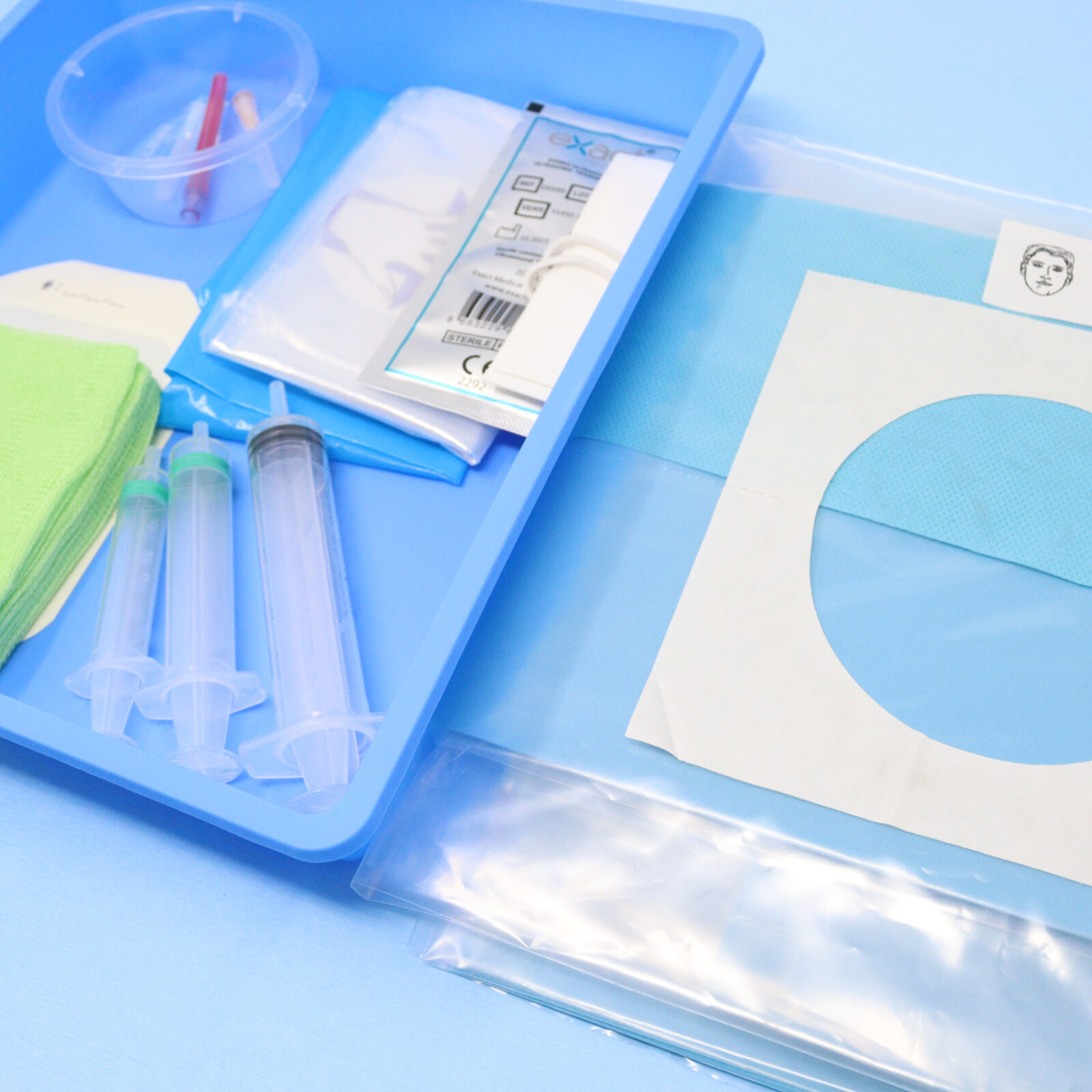
That’s why Pennine Healthcare offers Central Venous Catheter Packs designed to support best practice during central line insertion. Our packs bring together the essential components required to insert central venous catheter devices safely and consistently, helping to reduce variation, streamline procurement, and support compliance with local protocols.
By consolidating key items into a single, ready-to-use solution, Pennine Healthcare’s CVC packs can help hospitals and clinics:
Whether you’re reviewing existing vascular access pathways or exploring ways to optimise supply chains, our team works in partnership with healthcare organisations to deliver solutions aligned with both clinical and operational priorities.
Learn more about Pennine Healthcare’s Central Venous Catheter Packs and how they can support your organisation’s approach to vascular access care.