As fertility clinics continue to expand services and respond to growing patient demand, there is increasing pressure to deliver consistent, high-quality care while maintaining operational efficiency. Standardisation has become a key focus for many clinics looking to improve procedural consistency, reduce variation, and support compliance across treatment pathways.
However, for procurement teams, clinic managers, and clinical leaders, there is often a concern that greater standardisation could lead to increased procurement complexity. More products, more suppliers, and more stock management requirements can create additional challenges for already stretched teams.
The good news is that standardising fertility procedures does not have to mean increasing purchasing complexity. By taking a strategic approach to consumable management and procedure-specific standardisation, clinics can achieve greater consistency while simplifying procurement processes.
Fertility treatment pathways involve a wide range of procedures, each requiring carefully selected consumables and equipment. From egg retrieval through to frozen embryo transfer, clinical teams rely on having the right products available at the right time to support patient care.
As clinics grow, introduce new practitioners, or expand treatment capacity, maintaining consistency across procedures can become more challenging. Variations in consumable selection, preparation processes, and stock management may lead to inefficiencies, increased waste, or unnecessary complexity.
Standardisation helps address these challenges by creating greater consistency across clinical workflows. When procedures follow defined protocols supported by standardised consumable sets, clinics can benefit from:
• Improved procedural consistency
• Reduced variation between practitioners and treatment rooms
• Enhanced staff familiarity and confidence
• Easier compliance with internal protocols and quality standards
• More predictable inventory management
For decision-makers, standardisation is increasingly viewed as an opportunity to improve both clinical and operational performance without compromising patient care.
While the benefits of standardisation are clear, implementing it can be difficult when managing a large portfolio of fertility consumables.
Procurement teams must balance several competing priorities:
Different procedures often require different consumables, and clinicians may have specific preferences based on treatment protocols or individual experience. Ensuring the correct products are available without creating unnecessary duplication can be challenging.
Carrying a wide range of products increases storage requirements and can make stock management more complicated. Clinics must monitor expiry dates, maintain appropriate stock levels, and avoid unnecessary waste.
Working with multiple suppliers can increase administrative burden, requiring additional purchase orders, invoices, deliveries, and supplier relationship management.
Fertility treatments operate on carefully planned schedules. Any disruption in product availability can affect procedure planning and potentially impact patient experience. Ensuring reliable supply is therefore a critical consideration.
As a result, many clinics are seeking ways to simplify consumable management while still meeting the specific requirements of individual fertility procedures.
A common misconception is that standardisation requires introducing more products or more rigid procurement structures. In reality, successful standardisation is often about creating greater consistency in how existing products are selected, organised, and used. Procedure-specific approaches can help clinics standardise workflows without expanding the number of suppliers or consumables they manage. Rather than sourcing individual items separately for each procedure, clinics can review how consumables are grouped and supplied. This approach supports consistency while reducing the administrative burden associated with ordering, stock control, and procedure preparation.
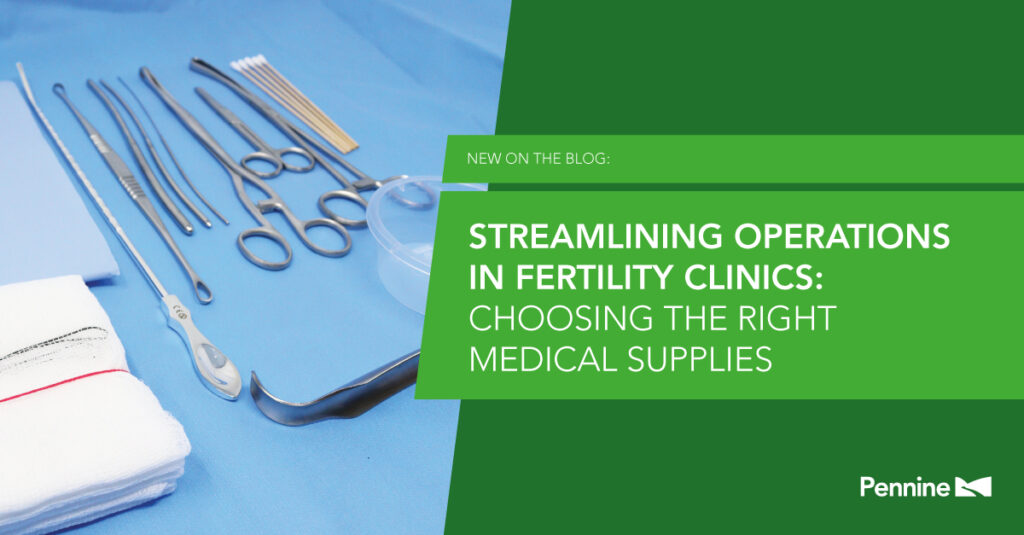
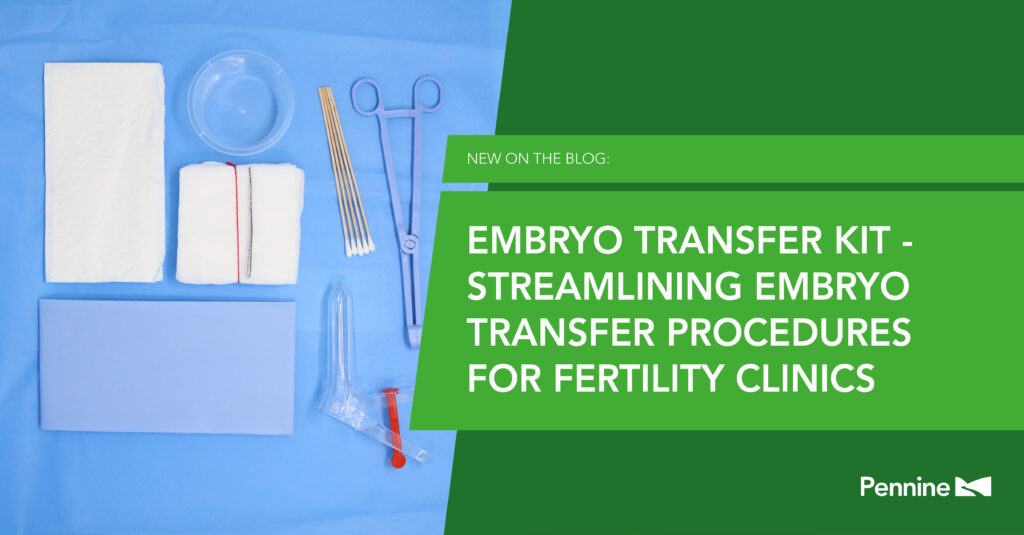
For example, consumables used during egg retrieval procedures can be consolidated into a single standardised solution, helping ensure clinical teams have everything required while simplifying inventory management. The same principle can be applied to procedures such as frozen embryo transfer, where consistency in preparation and product availability can support smoother workflows and reduce variation between treatment rooms.
For clinics evaluating opportunities to improve standardisation, several factors should be considered.
Any consumable strategy must first support the clinical requirements of the procedure. Products should align with treatment protocols and support safe, effective patient care.
Consumables must meet applicable quality and regulatory standards. Standardised solutions can help support compliance by ensuring consistent product selection and traceability.
Introducing new processes should not create additional complexity for clinical teams. Solutions that fit naturally into existing workflows are often easier to adopt and sustain.
Procurement teams should assess supplier reliability and continuity of supply. Standardisation is only effective if products remain consistently available when needed.
The overall impact on ordering, stock management, storage, and procedure preparation should be considered. Solutions that reduce administrative workload can deliver significant long-term benefits.
By evaluating these factors together, clinics can identify opportunities to streamline consumable management while supporting standardised care pathways.
One increasingly popular approach is the use of custom fertility packs designed around specific procedures. Custom procedure packs bring together the required consumables for a treatment into a single, ready-to-use solution. Rather than sourcing and assembling multiple individual components, clinics receive a pack tailored to their clinical requirements. This approach offers several potential advantages.
By providing a predefined set of consumables, procedure packs help reduce variation and support adherence to standardised protocols. Clinical teams can work from the same product set regardless of practitioner or treatment room.
Custom packs can reduce the number of individual stock keeping units (SKUs) that procurement teams need to manage. Fewer product lines can mean simpler ordering processes and reduced administrative burden.
With consumables grouped into procedure-specific packs, inventory management becomes more straightforward. Clinics can forecast demand more effectively and minimise the risk of missing essential components.
Ready-to-use packs can reduce preparation time and help clinical teams focus on patient care rather than gathering consumables from multiple sources.
Supporting Supply Continuity
Working with a trusted supplier to develop custom fertility packs can help create a more streamlined and predictable supply chain, reducing the risk of disruption.
As fertility services continue to evolve, clinics face growing pressure to balance clinical excellence with operational efficiency. Standardising procedures is increasingly recognised as an important strategy for improving consistency and supporting quality outcomes. However, standardisation does not have to come at the expense of procurement simplicity. By adopting procedure-specific approaches and reviewing how consumables are supplied and managed, clinics can create more consistent workflows while reducing administrative complexity.
At Pennine Healthcare, we work with fertility clinics to develop tailored fertility packs designed around specific treatment pathways. Whether supporting procedures such as egg retrieval, frozen embryo transfer, or the preparation of embryo transfer equipment, our custom pack solutions help clinics align consumables with clinical requirements while simplifying procurement and stock management.
For clinics looking to improve consistency, streamline operations, and support efficient purchasing practices, custom fertility packs can offer a practical route to standardisation without increasing complexity.