For veterinary practices and referral centres, delivering high-quality patient care means balancing clinical priorities with the practical demands of running an efficient practice.
Veterinary teams need the right equipment available when it is needed, while procurement and purchasing teams need to manage costs, stock levels and supplier relationships. As practices grow busier and procedures become increasingly specialised, finding ways to make routine processes more consistent and efficient can have a meaningful impact.
Feline urinary catheterisation is one area where preparation and organisation are particularly important. The procedure can require a number of individual consumables, meaning veterinary nurses and other clinical staff may need to gather, check and prepare several items before beginning.
A procedure pack can provide an alternative approach. By bringing the relevant consumables together in a standardised pack, veterinary practices can potentially simplify preparation, improve consistency and make stock management more straightforward. However, the value of a procedure pack goes beyond convenience. For decision-makers, it is worth considering how a pack fits into the wider clinical workflow and whether it can deliver value across the entire procedure.
Preparing for a clinical procedure can involve more steps than are immediately apparent. When individual consumables are stored separately, veterinary nurses may need to identify each item, locate it, check stock availability and bring everything together before the procedure can begin. In a busy practice or referral centre, these additional steps can contribute to a more complex preparation process.
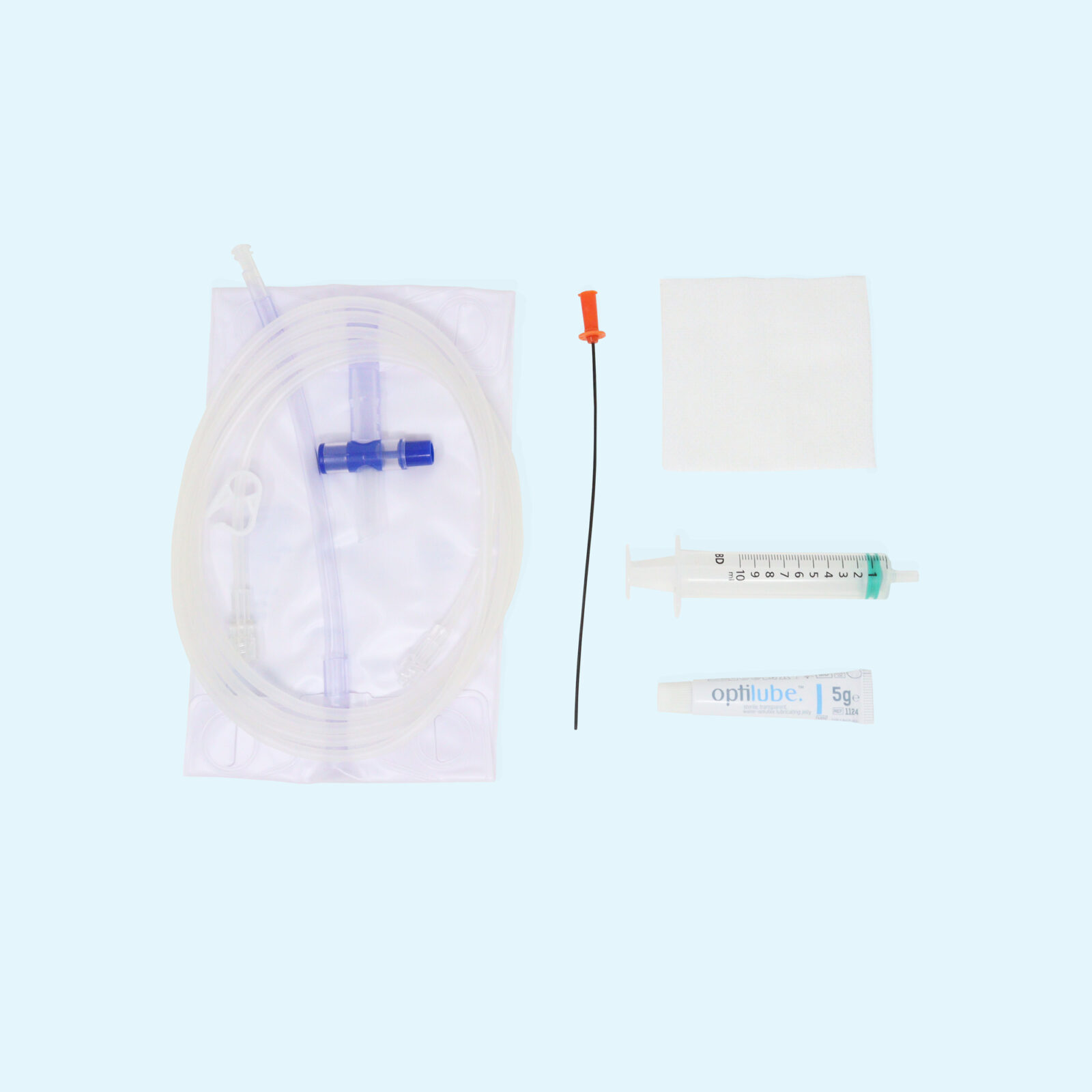
A procedure pack brings the relevant components together in one place. For feline urinary catheterisation, this can provide veterinary teams with a more structured starting point, helping them prepare for the procedure without having to gather every component individually.
The potential benefits include:
✅ Less time spent locating individual consumables
✅ A more organised preparation process
✅ Greater predictability between procedures
✅ Easier identification of required components
✅ Reduced reliance on multiple individually stored items
This doesn’t necessarily mean that every procedure will take less time. Rather, the benefit is in reducing avoidable preparation steps and creating a more consistent workflow. For veterinary nurses, this can be particularly valuable in busy clinical environments where multiple procedures may need to be prepared simultaneously. It can also provide a clearer process for staff who may not carry out the procedure every day.
Having a defined pack can provide a consistent reference point and help teams understand which components have been brought together for the procedure. The key is to see the pack as part of the procedure workflow, rather than simply as a collection of products.
Consistency is an important consideration for any veterinary practice. Different members of a veterinary nursing team may naturally develop slightly different ways of preparing for a procedure. While professional judgement and individual working styles will always play a role, unnecessary variation in routine preparation can introduce additional complexity.
A standardised procedure pack can help create a consistent starting point. When the same core components are brought together for a particular procedure, veterinary teams can become familiar with the pack and its contents. This can support a more predictable preparation process across different members of staff and potentially across different departments.
This can be especially relevant for larger practices and referral centres where multiple veterinary nurses may be involved in the same types of procedure. Standardisation may also support staff training and onboarding. A defined pack can provide a practical reference for understanding the equipment routinely associated with a particular procedure, alongside the practice’s existing clinical protocols and training.
However, standardisation should never be about removing clinical judgement. Every patient is different, and veterinary professionals need to make decisions based on the individual animal and the clinical situation. A procedure pack should therefore support established protocols and clinical decision-making rather than attempt to replace them. The goal is consistency where consistency adds value. By reducing unnecessary variation in routine preparation, practices can create a more structured workflow while maintaining the flexibility required for individual patient care.
Waste is an important consideration for veterinary practices, particularly when a large number of individual consumables are purchased and stored.
When products are managed separately, it can be difficult to understand exactly how much stock is required for a particular procedure. Practices may hold multiple quantities of individual items, some of which may be used frequently while others remain in storage for longer periods.
This can potentially result in:
✅ Excess stock
✅ Duplicate products
✅ Unnecessary packaging
✅ Unused consumables
✅ Products reaching expiry
✅ Additional storage requirements
A procedure pack can help practices take a more structured approach by grouping the components required for a specific procedure. Instead of managing every item independently, the practice can consider the complete procedural requirement and how the associated consumables are supplied. However, it is important to recognise that a procedure pack doesn’t automatically eliminate waste.
If a pack contains components that are rarely required or routinely left unused, it could simply move waste from individual stock items into the pack itself. This is why the contents of a pack matter. The most effective approach is to understand what veterinary teams actually require and ensure that the pack configuration reflects those needs.
For procurement and practice managers, this can also make stock control easier to assess. Rather than monitoring a collection of unrelated consumables, teams can consider usage in the context of the procedures being performed. That can provide a clearer picture of demand and help inform purchasing and replenishment decisions.
When evaluating a procedure pack, the natural starting point is often the purchase price. However, the purchase price is only one part of the overall value of a solution. Veterinary practices should also consider the wider resources involved in preparing for and managing a procedure, including staff time, stock management, storage, ordering and potential wastage.
For example, veterinary nurses may need to spend time locating and gathering individual consumables before a procedure. There are also administrative considerations associated with ordering and replenishing multiple products, as well as the storage space required to keep them available.
A standardised procedure pack may help simplify some of these processes by bringing the relevant components together in one place. This doesn’t mean that a procedure pack will always be the cheapest option compared with purchasing individual items. Instead, it encourages decision-makers to assess the overall value of the solution rather than focusing solely on the initial purchase price.
For procurement teams, this broader approach can help ensure that cost comparisons reflect how products are actually used within the practice. For head veterinary nurses and practice managers, it can also provide a useful way to consider the operational impact of procurement decisions and identify potential efficiencies beyond the product price.
The lowest unit price doesn’t necessarily represent the lowest overall cost.
Perhaps the most important consideration when evaluating a procedure pack is whether it has actually been designed around the procedure it is intended to support. A pack that contains too few components may mean staff still need to locate additional items. A pack containing too many unnecessary products can increase cost and waste.
The right balance comes from understanding the clinical workflow. For feline urinary catheterisation, practices should consider:
✅ Which consumables are routinely required?
✅ Which components are consistently used?
✅ Which items are commonly sourced separately?
✅ Are there products that are regularly opened but not used?
✅ How is equipment currently gathered and prepared?
✅ Could the process be made more consistent?
✅ Does the pack complement existing clinical protocols?
These questions can help veterinary practices determine whether a standardised pack could provide genuine value.
It also highlights why procedure packs should not be treated as generic collections of products. They should be considered as workflow solutions, designed around the practical requirements of a particular procedure.
At Pennine Veterinary, we recognise that veterinary teams need products that fit into real clinical workflows. Our KatKath Procedure Packs have been developed specifically for feline urinary catheterisation, bringing together relevant consumables in a standardised format.
For veterinary practices and referral centres, this provides an opportunity to consider whether a pre-configured approach could simplify preparation, support consistency and make the management of associated consumables more straightforward. The important consideration is not simply whether a pack contains multiple products. It is whether those products have been selected with the procedure in mind.
This is where veterinary practices can take a more strategic approach to procurement. Rather than looking at individual consumables in isolation, teams can consider how the products work together and what impact they have on the wider clinical workflow.