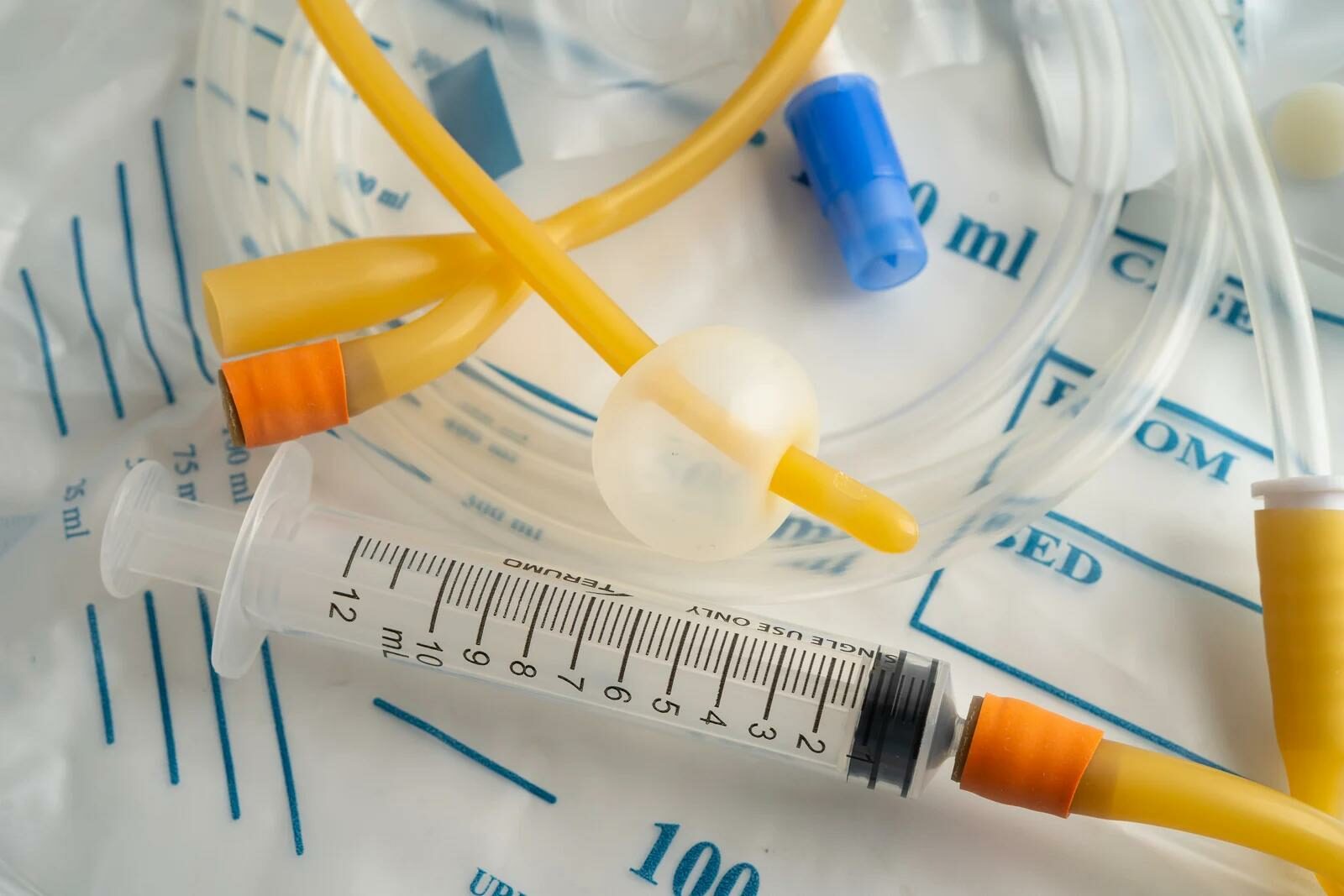
Urinary catheterisation is one of the most common clinical interventions across hospitals, clinics, and long-term care settings. While the use of a catheter may appear routine, decisions around catheter selection, duration of use, and replacement frequency have a direct impact on patient safety, comfort, and clinical efficiency.
For procurement professionals, head nurses, and healthcare decision-makers, understanding how often should a catheter be changed is not only a clinical question but also an operational one. The right approach supports infection prevention, reduces complications, and ensures clinical teams can work efficiently with reliable medical devices.
This article explores the key considerations behind catheter change frequency, outlines best practices aligned with clinical guidance, and highlights why choosing high-quality urinary catheters is essential for modern healthcare environments.
Catheters are invaluable tools for managing urinary retention, monitoring output, supporting surgical recovery, and caring for patients with limited mobility. However, prolonged or inappropriate use can increase the risk of complications, including infections and patient discomfort.
For decision-makers responsible for product selection and procurement, having a clear understanding of these factors helps align purchasing decisions with patient safety goals and regulatory expectations.
One of the most critical reasons for timely catheter changes is infection prevention. Catheter-associated urinary tract infections (CAUTIs) remain one of the most common hospital-acquired infections worldwide.
Clinical guidance typically recommends that catheters should not be changed on a fixed schedule alone, but rather based on clinical need, material type, and signs of complications. That said, high-quality urinary catheters designed for extended use can play a key role in minimising infection risk when replacement intervals are extended safely.
For procurement teams, selecting catheters manufactured to high standards with smooth surfaces, biocompatible materials, and reliable drainage supports infection prevention efforts across departments.
Beyond infection control, patient comfort is a vital consideration when evaluating catheter change frequency. Over time, catheter materials may degrade, stiffen, or become blocked, leading to irritation, leakage, or discomfort.
Different urinary catheters are designed for short-term or long-term use, and understanding these distinctions is essential. Silicone catheters, for example, are often preferred for longer-term catheterisation due to their durability and lower risk of encrustation.
From a decision-making perspective, investing in well-designed catheters supports nursing staff, reduces unplanned interventions, and improves the overall patient experience.
Hospitals and clinics typically follow evidence-based guidelines when determining how often a catheter should be changed.
For procurement and senior nursing staff, ensuring access to a range of catheter options allows clinical teams to follow best practice without compromise. Partnering with suppliers who understand clinical protocols is key to maintaining compliance and consistency.
A balanced approach to catheter replacement is essential. While timely changes are important, unnecessary replacements can cause discomfort, increase workload, and raise costs.
By combining routine monitoring with high-quality urinary catheters, healthcare teams can ensure catheters are changed when clinically indicated, rather than on an arbitrary schedule. This approach supports both patient safety and operational efficiency.
For decision-makers, catheter management is not just a clinical concern, it is also an operational one.
High-quality catheters that perform reliably over their intended lifespan reduce emergency changes and free up clinical time. From a procurement perspective, this translates into better value, improved staff satisfaction, and more consistent patient outcomes.
Selecting the right catheter is only part of the equation. Choosing a trusted supplier is equally important.
Pennine Healthcare’s catheter range is designed with both clinical performance and operational needs in mind. By focusing on material quality, patient comfort, and ease of use, Pennine supports healthcare providers in delivering safe, effective catheter care across a variety of clinical settings.
Understanding how often should a catheter be changed is a critical part of effective patient care and responsible procurement. By aligning clinical guidelines, patient comfort considerations, and operational efficiency, hospitals and clinics can reduce complications and improve outcomes.
At Pennine Healthcare we are committed to supporting healthcare professionals with high-quality urinary catheters and the insight needed to use them effectively helping teams deliver safe, dignified, and efficient care every day.