Incomplete bladder emptying is a common challenge faced by healthcare professionals and patients alike, often linked to neurological or non-neurological conditions. The latest NICE Late-Stage Assessment (HTE28) provides valuable insights into the use of intermittent urethral catheters as an effective management option. For those in procurement, sales, purchasing, or clinical decision-making roles, understanding these guidelines is essential for ensuring both high-quality patient outcomes and value for money.
In this article, we explore how to treat incomplete bladder emptying, what the Haematuria NICE Guidelines highlight, and how organisations like Pennine Healthcare are supporting the NHS and healthcare providers with cost-effective, patient-focused solutions.
Incomplete bladder emptying occurs when the bladder does not empty fully during urination, leading to residual urine. This can increase the risk of urinary tract infections, discomfort, and, in some cases, haematuria (the presence of blood in the urine). NICE guidance emphasises that intermittent catheterisation should be considered before indwelling or suprapubic catheterisation, making it a first-line treatment strategy in many cases.
For decision-makers in hospitals and clinics, the challenge lies in selecting the right catheter products that balance patient comfort, clinical effectiveness, and budgetary pressures.
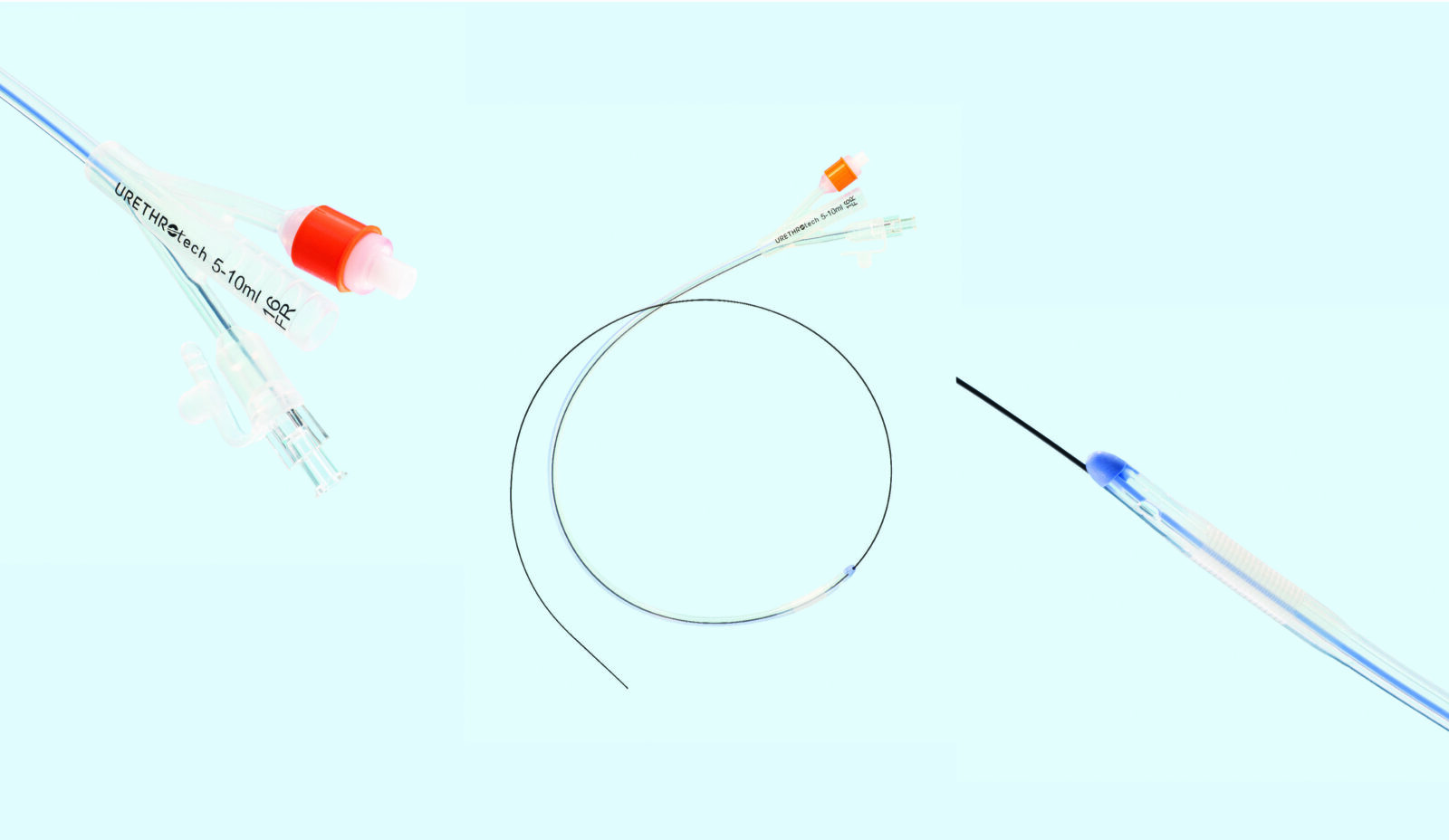
Intermittent urethral catheters are sterile, single-use devices used several times a day for bladder drainage. According to NICE, their benefits include:
NICE also highlights that features such as enhanced coating or specially designed packaging may influence patient comfort and ease of use, but evidence is currently limited in linking specific features to clinical outcomes.
When considering how to treat incomplete bladder emptying, NICE acknowledges that haematuria (both microscopic and macroscopic) is an important clinical factor. Some catheter features, such as microhole zone technology, may reduce the risk of haematuria, while others may increase it. However, NICE concludes that there is insufficient evidence to justify significant price variation based solely on these features.
For procurement teams, this means that while patient comfort and infection prevention remain top priorities, the cost-effectiveness of different catheter features should be carefully reviewed against available clinical evidence.
In 2023–2024, over 95 million intermittent catheters were prescribed in the NHS, with unit costs ranging from £0.40 to £3.28. NICE guidance stresses three critical points for procurement and decision-makers:
This creates a clear mandate for procurement leaders to evaluate suppliers who can deliver both a wide product range and strong value for money.
As one of the UK’s leading manufacturers of medical devices, Pennine Healthcare is committed to supporting the NHS, hospitals, and clinics in providing safe, effective, and affordable catheterisation solutions.
Our male and female intermittent urethral catheters are designed to meet the diverse needs of patients while helping healthcare providers adhere to NICE recommendations. Key benefits include:
By offering both clinical assurance and financial sustainability, Pennine Healthcare enables decision-makers to respond effectively to the guidance while prioritising patient outcomes.
For procurement managers, head nurses, and other healthcare leaders at the awareness stage of the buyer’s funnel, it’s essential to:
Pennine Healthcare not only provides high-quality intermittent catheters but also positions itself as a thought leader in advancing evidence-based, sustainable healthcare solutions.
NICE’s HTE28 assessment makes it clear: while there is no strong evidence to justify significant price variations between different intermittent urethral catheters, hospitals and clinics must still ensure patients have access to choice, comfort, and safe treatment options. For decision-makers, this means selecting suppliers who provide a comprehensive range of cost-effective solutions.
At Pennine Healthcare, we are proud to support healthcare professionals and procurement teams in addressing the challenges of incomplete bladder emptying with high-quality male and female intermittent urethral catheters. By aligning with NICE guidance and focusing on patient-centred care, we help you deliver both clinical excellence and value for money.
Interested in learning more about Pennine Healthcare’s catheter solutions? Get in touch with our team today to discuss how we can support your procurement and clinical needs.