Material selection has always been a critical part of healthcare procurement. From tubing and catheters to airway and drainage devices, the plastics for medical devices used in everyday clinical care must balance safety, performance, cost, and regulatory compliance.
In recent years, many hospitals, clinics, and medical device distributors have begun reassessing their material strategies, not to replace PVC wholesale, but to introduce PVC-free options alongside traditional materials. This shift is being driven by a combination of environmental objectives, evolving regulations, and growing interest in alternative polymers such as TPE and other PVC alternatives.
For procurement professionals, head nurses, and commercial decision-makers, understanding why PVC-free devices are gaining attention and how to evaluate them appropriately.
Sustainability is now a strategic priority across healthcare systems. Hospitals and distributors are under increasing pressure to reduce environmental impact, improve waste management, and align with national and organisational sustainability targets.
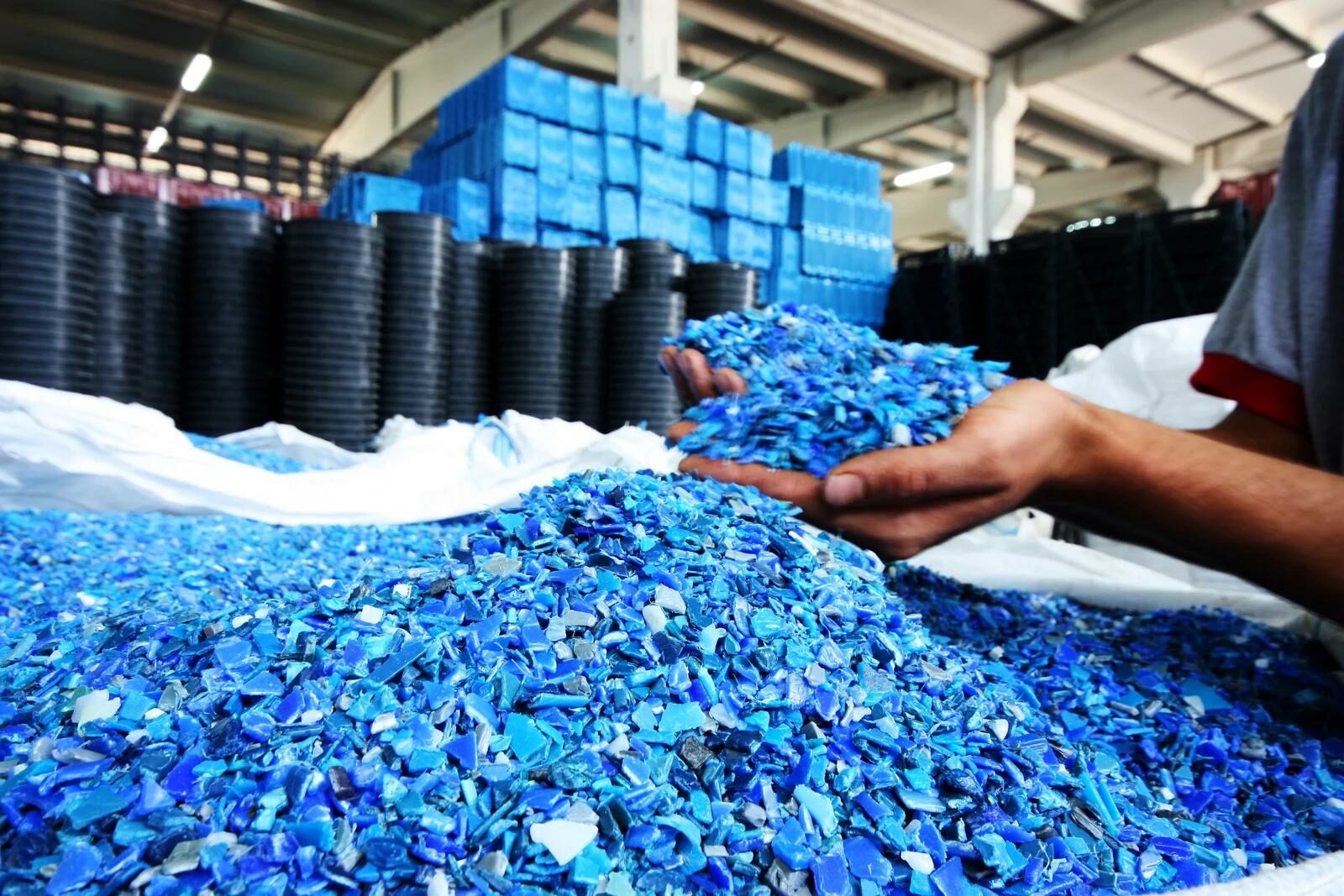
PVC has long been a widely used and well-understood material in medical devices. However, its end-of-life challenges, particularly around recycling and disposal, have prompted procurement teams to explore pvc alternatives where clinically appropriate.
Importantly, this does not mean PVC is no longer suitable. Instead, procurement teams are adopting a more diversified materials strategy, incorporating PVC-free devices to support broader environmental goals without compromising care delivery.
Another factor influencing material discussions is safety for both patients and healthcare staff. PVC devices often rely on plasticisers to achieve flexibility. While these materials have been used safely for decades and remain fully compliant with regulations, some healthcare organisations are choosing to expand their portfolios to include devices made from alternative polymers that do not require plasticisers.
This is less about replacing existing materials and more about providing choice, enabling clinicians and organisations to select the most appropriate device for each application and patient group.
One of the most important questions decision-makers ask is whether PVC-free materials can deliver the same level of performance as traditional options.
Modern polymers such as TPE (thermoplastic elastomers) and related compounds have advanced significantly in recent years. When designed and manufactured correctly, they can offer:
This evolution in plastics for medical devices means that sustainability-focused choices no longer must come at the expense of usability or reliability. For many applications, PVC-free devices can now sit confidently alongside PVC products as part of a balanced portfolio.
For procurement teams and distributors, evaluating PVC-free devices requires the same rigour applied to any medical product. Material choice should always be guided by clinical use case, not trend alone.
By applying these criteria, procurement teams can make informed decisions about when and where PVC alternatives add value.
Increasingly, material selection is viewed not just as a technical choice, but as a strategic procurement decision.
For medical device distributors, offering both PVC and PVC-free products allows them to meet diverse customer requirements without limiting choice. For hospitals and clinics, it enables gradual adoption rather than disruptive change.
This balanced approach reflects how healthcare procurement is evolving pragmatic, evidence-led, and focused on long-term resilience.
As material innovation accelerates, working with experienced manufacturers becomes increasingly important. Developing and supplying PVC-free devices requires deep expertise in polymer science, regulatory compliance, and clinical application.
Pennine Healthcare has a long-standing history of manufacturing medical devices across a range of materials. While PVC remains an important and effective option for many products, Pennine’s PVC-free device range reflects a commitment to supporting customers who are exploring alternative materials as part of their wider procurement strategies.
By offering both traditional and non-PVC options, Pennine enables healthcare organisations and distributors to:
By understanding the drivers behind this shift and the criteria for evaluating alternatives, procurement and commercial decision-makers can position their organisations to respond confidently to evolving expectations.
Material innovation is not about abandoning what works it is about expanding options. Through thoughtful design and manufacturing, PVC-free devices can complement existing portfolios and support healthcare systems as they balance sustainability, safety, and operational efficiency.
Pennine Healthcare remains committed to supporting this balanced approach, providing high-quality medical devices both PVC and PVC-free that meet the real-world needs of modern healthcare.