In modern acute care, precision matters. For clinicians and care teams managing critically ill patients, real-time monitoring and rapid response aren’t luxuries, they’re essential. This is where an arterial line becomes a core tool in the clinical setting.
If you’re responsible for procurement, purchasing, clinical leadership, or supply chain strategy in a hospital or clinic, understanding what an arterial line is, why it’s used, and how it supports improved patient care can shape smarter decisions and optimise resources. This guide provides a clinical yet accessible overview of arterial catheterisation, key arterial line applications, and insights into considerations for purchasing and standardisation.
An arterial line, also known as an arterial catheter line, is a small, flexible tube that is inserted directly into an artery most commonly the radial artery at the wrist, femoral artery in the groin, or brachial artery near the elbow. Unlike a peripheral IV, which sits in a vein, an arterial line accesses high-pressure arterial circulation. This allows for continuous and accurate blood pressure monitoring as well as easy sampling of arterial blood without repeated needle sticks.
While peripheral blood pressure cuffs give useful approximations, they can lag or misrepresent true values in unstable patients. An arterial line provides beat-to-beat data that clinicians rely on during shock, sepsis, major surgery, or complex fluid and cardiovascular management.
Because of its role in delivering valuable physiological insights, inserting an arterial line is considered a critical skill in ICUs, high-dependency units, surgical theatres, and emergency departments.
An arterial catheter line connects directly to a pressure transducer and monitor. The catheter tip sits inside an artery, and, when connected to a continuous flush system and pressure transducer, it conveys:
This monitoring provides clinicians with advanced insight to guide fluid resuscitation, titrate vasoactive medications, and manage ventilation settings with precision.
Arterial lines are integral in multiple clinical scenarios. They assist healthcare teams with stabilisation, precision care, and timely decision-making especially for patients requiring intensive haemodynamic management.
One of the primary reasons for inserting an arterial line is to obtain continuous, high-fidelity blood pressure data. In critical care and perioperative environments, patients may have rapidly fluctuating haemodynamics. Standard cuff measurements, taken intermittently, can miss sudden changes. An arterial catheter line continuously tracks pressures, enabling immediate clinical response.
This is particularly vital in:
Arterial blood gas (ABG) analysis is a cornerstone of managing respiratory and metabolic disorders. An arterial line allows clinicians to draw blood samples repeatedly without the discomfort and risk of repeated needle sticks. This ease of sampling streamlines care and improves patient experience.
Patients on vasopressors or inotropic support require delicate balancing to maintain organ perfusion. Therapies that raise or lower blood pressure demand careful, real-time adjustments. With an arterial line, clinicians can monitor direct pressure readings and adjust infusions more accurately, reducing the risk of under or over-treatment.
In elective and emergency surgical settings especially cardiac, vascular, or major abdominal procedures. Arterial catheter lines are frequently used to guide anaesthesia and surgical decisions. Continuous monitoring helps anaesthetists manage blood loss, adjust anaesthetic depth, and optimise patient stability.
Common arterial access points include:
Each site has trade-offs in terms of ease of access, patient comfort, and complication risk. Procurement and purchasing teams should work with clinical leads to identify preferred kits and accessories that support the range of access sites used in their institution.
While invaluable, arterial lines come with considerations that every leader should understand:
Any indwelling catheter presents an infection risk. Vigilant aseptic technique during arterial line placement and maintenance protocols are essential to minimise infection rates.
Because arterial lines access high-pressure vessels, there is a small risk of compromised blood flow to distal tissues. Proper training, monitoring, and site selection can significantly mitigate this risk.
Bleeding or clot formation can occur, particularly if the catheter is dislodged or if a patient has coagulopathy. Routine securement and assessment help prevent complications. These clinical realities should inform purchasing choices, from selecting products designed for ease of insertion and securement to incorporating safety devices that reduce complications.
For procurement and decision-making teams, being aware of how arterial lines are used helps shape more strategic purchasing decisions. Here are key factors to consider:
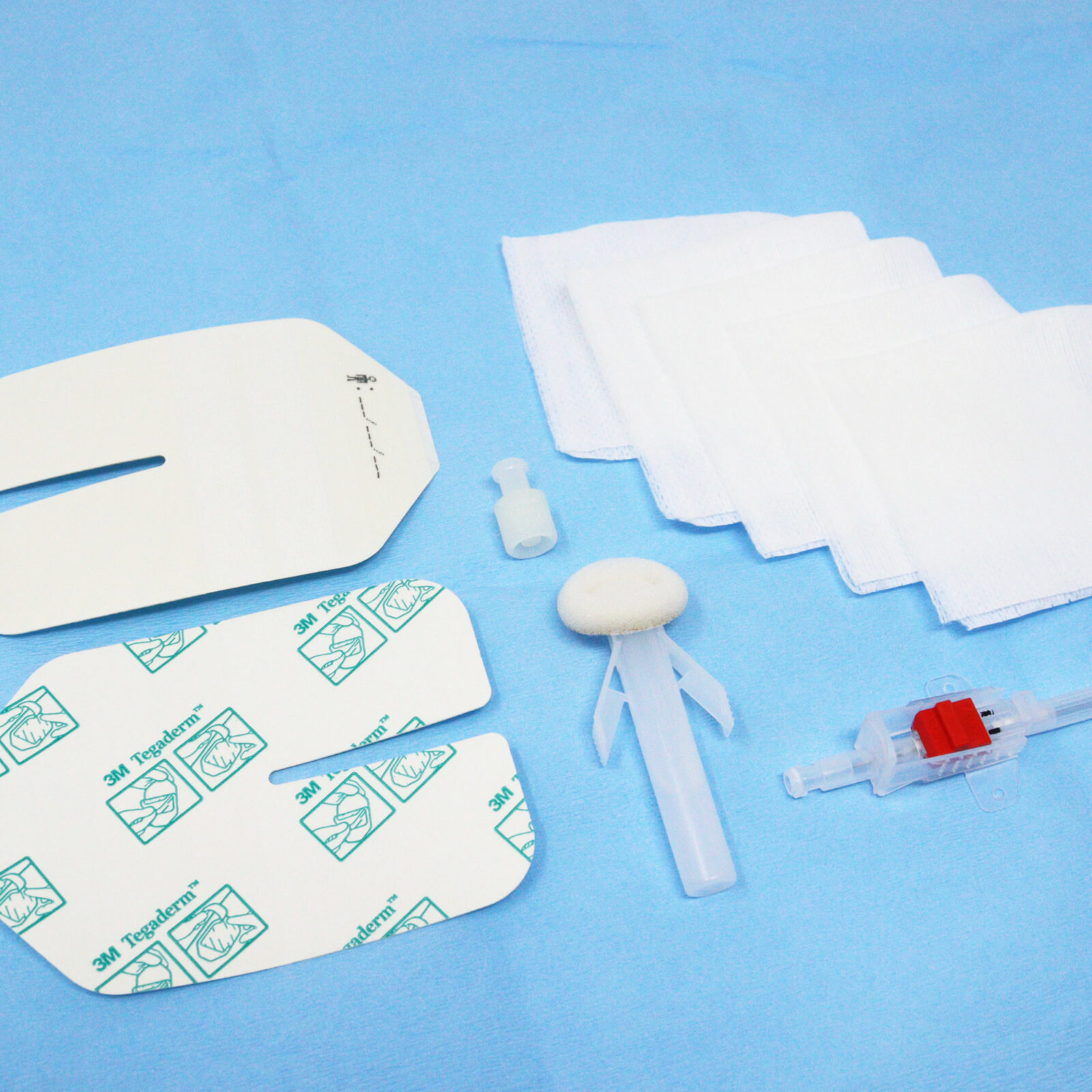
Comprehensive arterial line insertion packs that include all necessary components, from sterile drapes and local anaesthetic to flush systems and transducer sets can standardise practice, reduce waste, and support infection prevention.
Products such as securement devices and pressure-monitoring lines that integrate smoothly with existing monitoring systems help enhance patient safety and clinician confidence.
In high-acuity environments, kit reliability and compatibility with monitors and haemodynamic systems are critical. Evaluate suppliers who provide consistent quality, responsive support, and clear documentation.
Partnering with manufacturers or distributors who offer clinical education and training on inserting an arterial line can accelerate skill acquisition and support safe practice, an intangible but valuable part of procurement decisions.
An arterial line isn’t just another catheter, it’s a powerful clinical tool that delivers real-time, accurate haemodynamic monitoring, supports frequent arterial sampling, and enhances the management of complex cases. Understanding the role of arterial lines in patient care helps procurement, purchasing, and clinical leadership teams make informed decisions about product selection, standardisation, and clinical support.
Whether equipping an intensive care unit, prepping a surgical suite, or planning for expansion of monitoring capabilities, aligning your arterial line supplies with clinical objectives and safety standards is a strategic investment in quality care.
At Pennine Healthcare, we recognise that quality, consistency, and clinician confidence are central to safer outcomes. That’s why we offer complete arterial line packs designed to support best practice across critical care and perioperative settings.
Our ready-to-use arterial catheter line packs combine key consumables and equipment into structured kits that:
Partner with Pennine Healthcare to equip your teams with tools that support clinical excellence and operational efficiency.